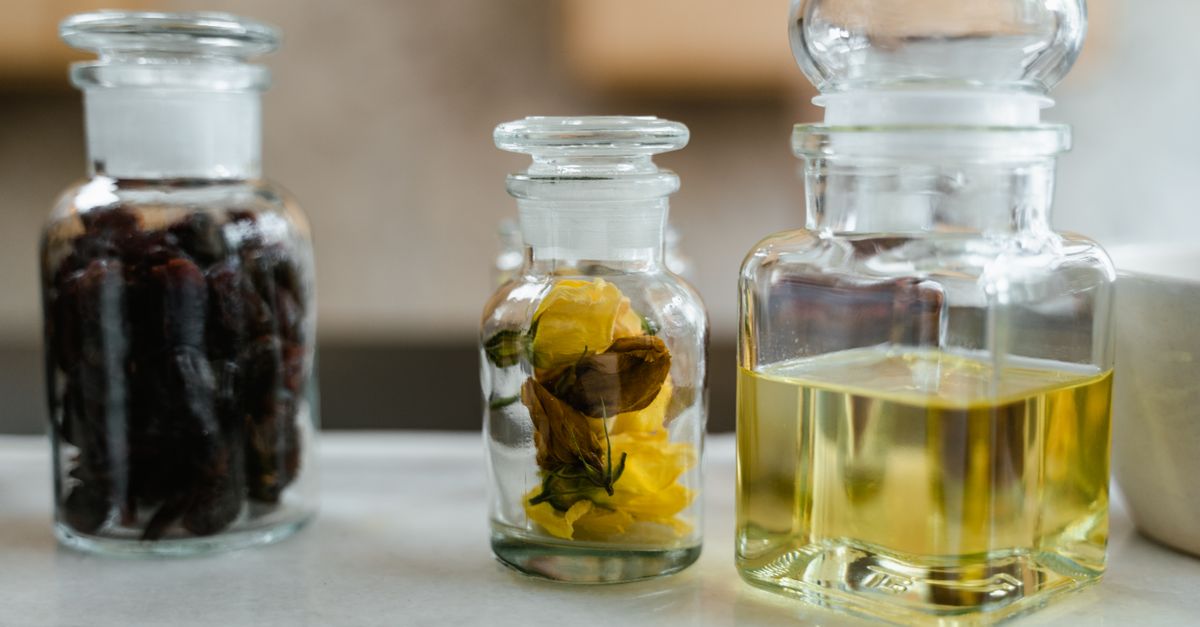
Safflower oil occupies a quietly important position in professional formulation, valued precisely because it doesn’t compete with the other ingredients around it. Its near-zero comedogenic rating, light absorption, and neutral scent make it a dependable base for massage blends, soap recipes, and cosmetic formulations where a heavier or more aromatic carrier would interfere. For manufacturers and practitioners sourcing in volume, cold-pressed safflower oil from suppliers with independent testing behind each batch ensures the consistency that reliable production requires. Here’s how it performs across each application.
Key Takeaways
- Safflower oil is a light, non-greasy carrier oil ideal for massage, soaps, and cosmetic blends due to its minimal scent and skin-friendly nature.
- Its rich unsaturated fatty acid content, especially oleic acid, helps maintain skin softness and supports the skin’s natural barrier without clogging pores.
- In massage therapy, safflower oil provides smooth glide and quick absorption, enhancing comfort for all skin types, including sensitive and acne-prone skin.
- Soap makers use safflower oil to create softer, more moisturising bars that reduce dryness while maintaining effective cleansing properties.
- Safflower oil blends well with essential oils like lavender and tea tree, offering stable, neutral-scented formulations for facial, body and hair care products.
- Quality safflower oil should be cold-pressed, pure, and organic when possible, sourced from trusted suppliers to ensure freshness and efficacy.
Understanding Carrier Oils: What Makes Safflower Oil Unique?
Carrier oils serve the critical role of safely diluting essential oils and facilitating their application onto the skin. Safflower oil, derived from the seeds of the safflower plant, stands out due to its light consistency and non-greasy texture. Unlike heavier oils, its minimal odour ensures it won’t interfere with the scent profile of essential oil blends, making it ideal for massage and cosmetic formulations. Its comedogenic index of zero means it doesn’t clog pores, rendering it suitable for all skin types, including sensitive and acne-prone skin. Such traits offer a smooth glide during massage without leaving a heavy residue, enhancing comfort and absorption.
Nutritional and Chemical Profile of Safflower Oil Relevant to Cosmetic Uses
Safflower oil’s value in cosmetics lies in its rich composition of unsaturated fatty acids, especially oleic acid in cosmetic-grade high-oleic varieties. These fatty acids contribute to maintaining skin softness and support the skin’s natural barrier function. Also, the oil contains anti-inflammatory, antimicrobial, and antioxidant compounds that assist in soothing damaged or dry skin. Vitamins and nurturing compounds present in safflower oil help protect and condition skin cells, promoting overall skin health. These properties underpin its use in formulations that require moisturising and reparative action without greasiness or irritation.
How Safflower Oil Enhances Massage Therapy: Absorption and Skin Sensitivity
In massage therapy, safflower oil delivers excellent lubrication that allows hands to glide smoothly over the skin while being absorbed relatively quickly. Its light texture avoids the greasy feel common with many other oils, allowing therapists and clients to enjoy a comfortable experience. The oil’s slight cooling and reparative effects make it particularly beneficial for dry or uneven skin textures. Safety-wise, safflower oil is low in irritants and generally well tolerated, but patch testing is advised for individuals with highly sensitive skin. Its ability to moisturise without clogging pores is advantageous for a wide range of clients, including those with sensitive or problem skin.
Safflower Oil in Soap Making: Properties That Improve Texture and Moisturisation
Soap makers value safflower oil for its role in improving conditioning and creating a gentler, more moisturising bar. When combined with harder oils like coconut or palm, it enhances lather quality without compromising cleansing power. Its inclusion in cold process, hot process, or room temperature soaps results in a softer texture which helps reduce the dryness often associated with soap use. This balancing effect preserves skin moisture, making soaps with safflower oil more suitable for daily use, especially for those with sensitive or dry skin. Such benefits are often sought by artisanal and commercial soap producers alike.
Blending Safflower Oil in Cosmetics: Compatibility and Stability Considerations
Safflower oil’s neutral scent and stable profile make it an excellent base for blending with essential oils such as lavender, chamomile, geranium, tea tree, and citrus. This compatibility supports its use in facial, body, and hair care products where a light, non-intrusive carrier oil is preferred. Typically, the oil has a shelf life of about two years when stored in cool, dark conditions to minimise oxidation. Exposure to heat and light can accelerate deterioration, so proper packaging, like dark glass bottles, is important. Its stability and versatility mean safflower oil can be safely incorporated into lotions, serums, body oils, and lip care formulations without compromising efficacy.
Sourcing and Selecting Quality Safflower Oil for Skincare and Massage Applications
For those sourcing safflower oil, quality is paramount, especially in skin and massage applications. Cold-pressed, 100% pure, and additive-free oils are preferred, ensuring the oil retains its beneficial properties without contamination. Organic certifications further guarantee the absence of harmful chemicals and support sustainability. Reputable suppliers, such as Range Products based in Welshpool, Western Australia, provide oils that undergo independent testing and certification to assure quality and freshness. Packaging in dark bottles reduces oxidation risk, preserving the oil’s integrity during storage and transport. Selecting fresh stock from trusted manufacturers helps professionals and businesses maintain consistent product performance.
Practical Tips for Incorporating Safflower Oil into Your Natural Care Routine
In everyday use, safflower oil can be applied alone as a gentle body or massage oil, or blended with essential oils at safe dilution levels around 2.5–3% for adults. For facial care, especially dry or acne-prone skin, 2–3 drops on cleansed skin add moisturising benefits without clogging pores: blending with tea tree or lavender can improve blemish control. In soap making, including safflower oil in the oil mix softens the bar and improves skin conditioning effects. Also, a few drops applied to hair ends or as a weekly pre-wash scalp treatment support hair moisture. Caution is advised to avoid the eye area and to conduct patch tests before extensive application to confirm individual tolerance.
About Range Products
Business: Range Products
Spokesperson: Penny Coupland
Position: Business Owner
Phone: +61 8 9358 4448
Email: [email protected]
Location: 6/138 Radium St., Welshpool WA, 6106 Australia
Website: https://www.rangeproducts.com.au/
FAQs About Using Safflower Oil as a Carrier Oil
What makes safflower oil a preferred carrier oil in massage and cosmetics?
Safflower oil has a light, non-greasy texture and minimal scent, making it ideal to dilute essential oils without altering their aroma. It absorbs quickly, provides smooth glide in massage, and suits all skin types due to its comedogenic index of zero, avoiding clogged pores.
How does safflower oil benefit dry or sensitive skin in cosmetic blends?
Rich in unsaturated fatty acids like oleic acid, and containing anti-inflammatory, antimicrobial, and antioxidant compounds, safflower oil moisturises, soothes, and supports skin barrier function without irritation, making it excellent for dry or sensitive skin.
Can safflower oil be used in soap making, and what effects does it have?
Yes, safflower oil is used in soap to improve conditioning and create a gentler, more moisturising bar. It softens soap texture and enhances lather when combined with harder oils, helping to reduce dryness from regular soap use.
How should safflower oil be stored to maintain its quality and shelf life?
Store safflower oil in cool, dark conditions within dark glass bottles to minimise oxidation. Proper storage can extend its shelf life to about two years, preventing exposure to heat and light that accelerates deterioration.
What is the best way to incorporate safflower oil into a natural skin care or massage routine?
Apply safflower oil alone or blended with essential oils at 2.5–3% dilution for adults. For facial use, 2–3 drops on clean skin moisturise without clogging pores. It’s also used in soaps, hair treatments, and as a body oil. Always patch test and avoid the eye area.
Is safflower oil suitable for acne-prone skin?
Yes, safflower oil has a comedogenic index of zero, meaning it does not clog pores, making it suitable for acne-prone skin. Its anti-inflammatory and antimicrobial properties can also help soothe blemishes when blended appropriately.